Meet Our Therapy Dogs
Three wet noses. Unlimited love. Real therapeutic benefits. The most popular members of the team.
At King's Lodge, three resident dogs live here full-time. They are not visiting therapy animals who appear for an hour and leave. They are part of the family. They pad along the corridors, settle next to residents in the lounge, and greet visitors at the door with the kind of enthusiasm that only a dog can manage. They do not care about care plans or clinical notes. They care about being near people. And that, it turns out, is exactly what many of our residents need.
The Three Residents Everyone Wants to Meet

The Gentle One
Calm, patient, and impossibly gentle. This one has a gift for finding the resident who needs company most. You will often find them lying beside someone's wheelchair, head resting on the footplate, eyes closed, just being there. That quiet presence has a measurable effect on anxiety and blood pressure. But you do not need a study to tell you that. You just need to see the smile on someone's face when they feel a warm head nudge their hand.

The Playful One
Energy, tail-wagging, and an endless appetite for fetch. This one is the social director of King's Lodge. During group activities, they weave between wheelchairs collecting attention like it is currency. They have an uncanny ability to make people laugh, which is a more powerful medicine than most things in a pharmacy. For residents working on motor skills in physiotherapy, throwing a ball for this one is not exercise. It is fun.
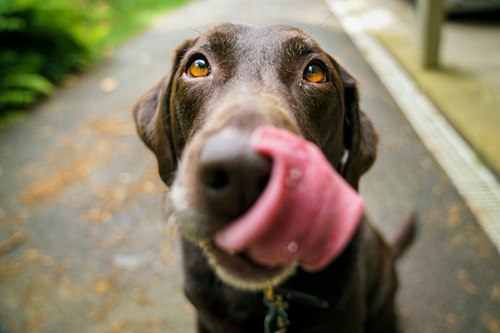
The Loyal One
Some dogs choose a person and stick with them. This one has a particular fondness for sitting with residents during quieter moments: evening wind-down, Sunday mornings, or when someone has had a difficult day. They seem to sense when comfort is needed. Staff say this one has never been taught empathy. They just have it. Visitors often remark that this dog made them feel welcome before any human did.
Why Animal-Assisted Therapy Matters
The science behind the wagging tails
Physical Benefits
Research consistently shows that interaction with animals can lower blood pressure, reduce heart rate, and decrease cortisol levels. For residents recovering from stroke or brain injury, the motivation to reach out, stroke, throw a ball, or walk alongside a dog can accelerate physical rehabilitation in ways that formal therapy sessions alone cannot.
Residents who struggle with appetite sometimes eat better when a dog is nearby. Those who resist physiotherapy will happily walk down the corridor if there is a dog at the end of it.
Emotional Benefits
Loneliness and depression are real risks in residential care. Dogs do not judge, do not rush, and do not expect conversation. For residents with communication difficulties, a dog offers connection without the pressure of words. The simple act of stroking a dog releases oxytocin, the same hormone involved in human bonding.
Neurological Benefits
For people living with conditions like Huntington's disease, Parkinson's, or acquired brain injury, the presence of animals can reduce agitation, improve focus, and create moments of clarity. Residents who may struggle to engage with conventional activities often respond to animals with surprising alertness and joy.
Social Benefits
Dogs are conversation starters. They give residents something to talk about with each other, with staff, and with visiting family members. A dog walking into a room changes the atmosphere instantly. The energy lifts. People smile. Stories are shared about pets they once had. Memories surface that might otherwise stay buried.
Our therapy dogs are not an add-on. They are central to the culture of King's Lodge. They make this place feel like a home, not a facility.
Come and Meet Them
The dogs are always here. And they are always happy to meet new people. Arrange a visit and they will probably greet you at the door before we do.
Call 01737 822221